
You planned your checkup weeks ago, but here comes your period right on time. The familiar question pops up: can you get a pap smear on your period? Many women face this exact moment of uncertainty. Cervical screening plays a vital role in women’s health by identifying abnormal cervical cells early. You want accurate information without the fluff so you can make confident choices. This guide walks you through the realities, options, and practical advice.
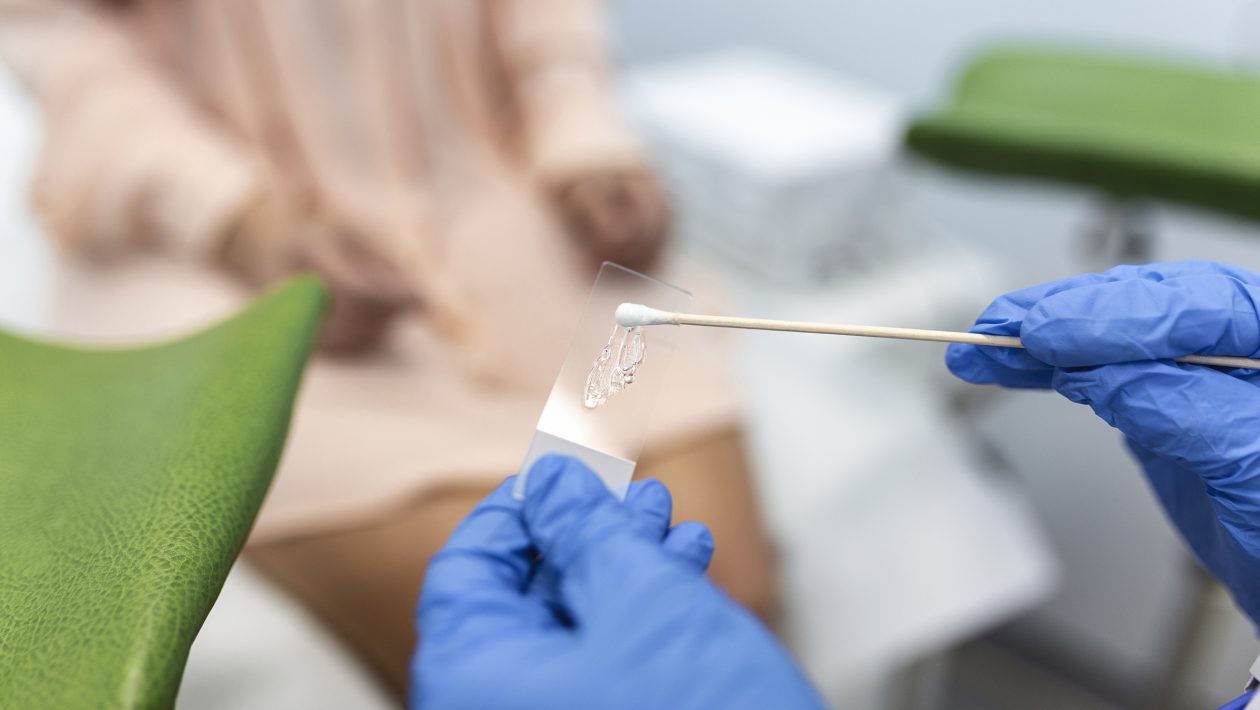
A Pap smear, or Pap test, involves collecting cells from your cervix during a routine gynaecological exam. Labs check these cells for changes that might indicate HPV infection or risks for cervical cancer. Providers frequently pair it with an HPV test for more complete results. These screenings have helped lower cancer rates significantly over time. Your menstrual cycle adds one variable to consider, but it does not shut down care entirely.
Can You Get a Pap Smear on Your Period?
Yes, you usually can. Many providers perform the test even when bleeding is present. Light flow often allows them to collect a good sample with minor adjustments. Menstrual blood itself does not harm the procedure. You simply remove any products before the exam, and the appointment continues.
Heavier bleeding changes the picture somewhat. Excess blood may interfere with cell visibility in the lab. This can lead to unclear results and another visit. Comfort also varies from woman to woman. If you feel up to it and your doctor agrees, proceeding keeps your schedule intact. A phone call ahead helps you decide together.
What Is a Pap Smear and Why Does Timing Matter?
The procedure stays quick and familiar. You undress from the waist down, lie on the table with your feet in stirrups, and a drape covers your legs. Your provider inserts a speculum to view the cervix. A soft brush or spatula then gathers cells gently. Most appointments wrap up in under ten minutes total.
Your cycle influences the vaginal environment week to week. Blood and mucus during active menstruation can mix with the sample. This sometimes obscures the cells needed for clear analysis. Mid-cycle often provides better conditions. You prepare by avoiding sex, tampons, douches, and vaginal creams for two days before any appointment. These habits support reliable outcomes from your cervical screening.
Here is a simple overview of ideal timing:
| Cycle Phase | Recommendation | Reason |
| During heavy period | Often reschedule | Higher chance of unclear sample |
| Light spotting / end of period | Usually acceptable | Minimal interference |
| Mid-cycle (5+ days after period) | Preferred timing | Cleanest cell sample |
| Right before next period | Generally fine | Avoid if spotting starts |
Can You Get a Pap Smear on Your Period? Weighing Your Options
For many women, the answer is yes. Light bleeding rarely stops the process. Your provider can clear the area and proceed. This approach saves time and keeps preventive care on track.
Individual circumstances matter. You know your typical flow and comfort level. Some months feel manageable, others do not. Open discussion with your doctor leads to the best decision for that day.
Potential Drawbacks of Proceeding During Menstruation
Several factors can make the experience less ideal when you are actively bleeding. Your provider will consider these on the day of the visit and give honest feedback.
- Blood can cover cervical cells and reduce sample quality.
- Labs sometimes return inconclusive reports that require repeats.
- You may also notice more cramping or pressure because the cervix sits lower and feels tender.
- Heavy flow adds logistical challenges like managing pads during the visit.
These factors explain why some women prefer waiting. You avoid extra appointments and potential frustration. Still, the choice remains yours after talking with your provider.

When It Might Still Make Sense to Go Ahead
Light or moderate flow works well in many cases. Clinics handle these situations regularly. Irregular cycles or urgent health needs sometimes make rescheduling impractical. Your doctor evaluates the sample quality on the spot and decides accordingly. Proceeding can mean faster peace of mind.
Best Practices for Scheduling Your Pap Smear
Follow these practical steps to make the process smoother and increase the chances of clear results:
- Track your cycle using an app or calendar.
- Book appointments during your predicted non-bleeding window.
- Confirm details when you schedule.
- If your period arrives unexpectedly, contact the office immediately and describe your flow and symptoms.
- Prepare a small bag with pads or liners.
- Stay hydrated and wear comfortable clothing.
These small steps reduce stress on the day of your visit. Many offices stock extras and accommodate same-week alternatives when possible.
What to Expect During and After the Test
Check in and mention your period if relevant. You change and wait in the exam room. The provider explains each step. Cell collection feels like brief pressure for most women. Afterward, dress and go about your day. Mild spotting can occur but usually stops soon.
Monitor how you feel over the next day. Results arrive within one to three weeks. Your doctor contacts you with clear explanations and any needed follow-up.
Here is what common results might look like:
| Result Type | What It Means | Typical Next Steps |
| Normal | Healthy cells, no concerns | Continue regular screening |
| Unclear | Sample hard to read | Repeat test in a few weeks |
| Abnormal | Changes in cells detected | Further testing like colposcopy |
Understanding Your Pap Smear Results
Normal findings reassure you that everything looks healthy. You follow standard screening intervals based on your age and history. Abnormal cervical cells often represent minor, treatable issues rather than immediate danger. Your provider discusses options clearly and supports you through any additional steps.
Common Myths and Misconceptions
Many women feel confused about whether menstruation affects Pap smear results. Let’s clear up some common misconceptions with evidence-based facts.
Myth 1: You cannot get a Pap smear during your period at all
Fact: This is not true. A Pap smear can still be performed during your period in many cases, especially if the bleeding is light. Doctors regularly conduct the test based on clinical judgment rather than a strict rule against menstruation. However, heavy flow may lead to rescheduling for better accuracy.
Myth 2: Menstrual blood makes Pap smear results completely useless
Fact: Menstrual blood does not automatically make the test invalid. While heavy bleeding can sometimes affect the clarity of the sample, light spotting often has minimal impact. Many Pap smears done during light periods still produce accurate and reliable results.
Myth 3: Getting a Pap smear during periods is painful or harmful
Fact: A Pap smear is generally safe and does not cause harm, whether you are on your period or not. You may feel slightly more sensitivity or discomfort during menstruation due to natural cervical changes, but the procedure itself remains quick and safe in all cases.
Myth 4: If you have your period, the test will always need to be repeated
Fact: Not necessarily. Many women complete their Pap smear successfully during light bleeding without needing a repeat test. A repeat is only required if the sample is unclear or insufficient, which depends more on the level of blood than the presence of a period itself.
Final Thoughts
So, can you get a Pap smear on your period? The answer depends on your flow and comfort level. In many cases, it can still be done, especially if the bleeding is light. The most important thing is to focus on regular cervical screening and not delay your checkup unnecessarily. If you are unsure, it is always best to talk to your doctor before deciding.
Listen to your body and follow medical advice so you can get the most accurate results. Taking care of your health on time helps with early detection and peace of mind.
Frequently Asked Questions (FAQs)
Q1. Can you get a Pap smear on your period if bleeding is moderate?
Yes, it is sometimes possible depending on your comfort and flow. Your doctor will decide if the sample can still be collected accurately.
Q2. Does menstrual flow interfere with HPV testing?
Heavy bleeding can sometimes reduce sample clarity. Light flow usually does not significantly affect HPV test accuracy.
Q3. What if I have irregular periods that make scheduling difficult?
Irregular cycles can make timing harder, but the test can still be done. Your doctor will guide you based on your current situation.
Q4. How often do most women need a cervical screening?
Most women need it every 3 to 5 years, depending on age and history. Your doctor may adjust the schedule based on your risk factors.
Q5. Should I always reschedule if I have light spotting?
No, light spotting usually does not require rescheduling. Many women still get accurate results during mild spotting.