
Work zones are becoming increasingly complex. Contractors face tighter schedules, higher labor costs, heavier traffic, and stricter safety requirements on nearly every project. Traditional traffic control methods can still be effective, but they often require significant manpower and expose workers to unnecessary risks.
Automated traffic control systems are helping contractors adapt to these challenges. By improving safety, streamlining operations, and providing greater visibility across job sites, these technologies are becoming an important part of modern work zone management.
What are automated traffic control systems?
An automated traffic control system uses connected equipment and digital technology to manage traffic safely and efficiently around construction and maintenance zones. These systems reduce the need for workers to remain close to moving vehicles while helping contractors maintain consistent traffic flow.
The reasons behind the move to automated traffic control
Worker safety comes first
Traffic control personnel often work only a few feet from passing vehicles. Every lane closure, flagging operation, or temporary traffic pattern introduces potential hazards.
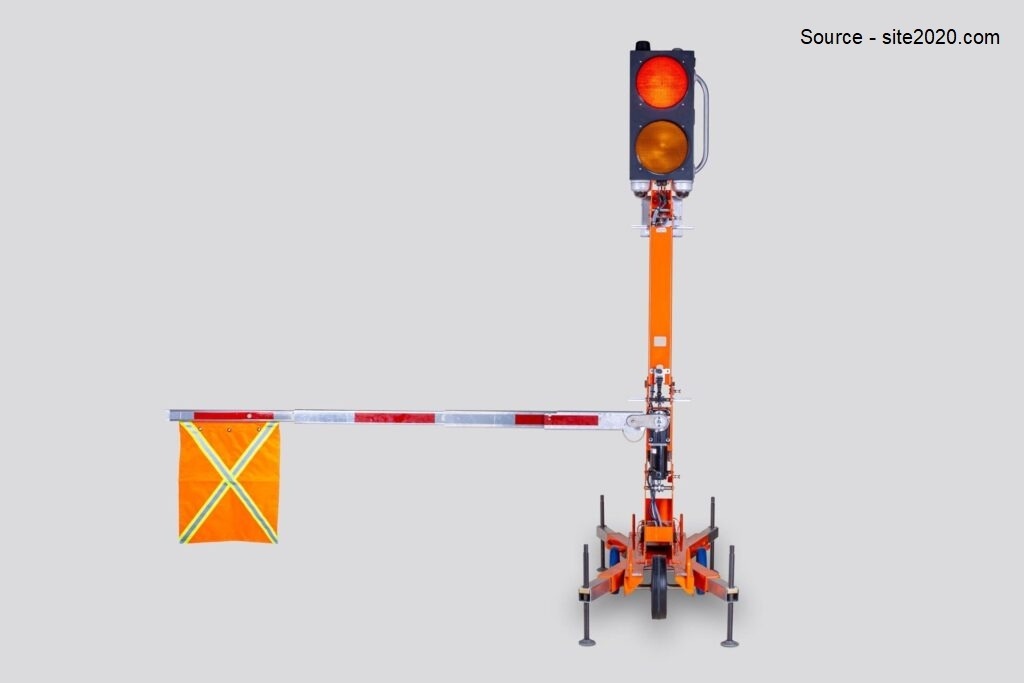
Automation allows operators to manage traffic from a safer location. Guardian SmartFlagger, a remote automated flagging solution, allows operators to control traffic remotely, helping reduce worker exposure to live traffic while maintaining safe and efficient traffic flow.
Labor shortages are changing project planning
Finding experienced traffic control personnel has become increasingly difficult. Many contractors are looking for ways to complete projects without continually increasing crew sizes.
Automated traffic control equipment helps crews accomplish essential traffic control tasks with fewer personnel, allowing available workers to focus on other critical responsibilities across the job site. This improves workforce efficiency without compromising safety or traffic flow.
Better traffic flow keeps projects moving
Drivers expect clear directions through construction zones. Delays, confusion, and inconsistent traffic patterns can quickly create congestion and frustration.
A smart traffic control system helps manage traffic with greater consistency by providing reliable signaling, coordinated operations, and improved communication throughout the work zone.
Guardian Smart Sign, a GPS-enabled smart signage solution, improves deployment visibility and helps contractors monitor traffic control assets across multiple job sites.
Real-time visibility improves decision-making
Managing multiple active projects becomes difficult when supervisors have limited visibility into field operations.
Automated devices allow managers to monitor equipment locations, receive alerts, and verify deployment without visiting every site.
Guardian Cone Pro, an intelligent roadside monitoring solution, strengthens work zone awareness by providing real-time notifications about approaching vehicles, helping crews identify changing conditions and respond quickly when needed.
Digital tools simplify daily operations
Traffic control involves scheduling crews, tracking equipment, documenting activity, and coordinating multiple moving parts. Manual administrative and operational processes can consume valuable time.
ROADS, a traffic control operations management platform, centralizes dispatching, crew scheduling, equipment tracking, reporting, payroll, and invoicing. By keeping operational data in one place, it helps contractors improve efficiency while maintaining better control over daily traffic control operations.
Supporting safer and smarter work zones with automated devices
Contractors are under constant pressure to deliver projects safely, efficiently, and on schedule. Automated traffic control systems provide practical solutions that address many of today’s operational challenges.
As technology continues to advance, connected traffic control solutions will play an increasingly important role in modern infrastructure projects. Contractors that invest in proven automation tools are better positioned to improve worker safety, increase operational efficiency, and manage projects with greater confidence.
Site 20/20 provides connected traffic control solutions, including Guardian SmartFlagger, Guardian Smart Sign, Guardian Cone Pro, and ROADS. Together, these technologies help contractors improve work zone safety, streamline operations, and maintain better visibility across every project.
Frequently asked questions
What are automated traffic control systems?
Automated traffic control systems use connected equipment and digital technology to safely manage vehicle movement through construction and maintenance work zones while reducing worker exposure to live traffic.
How does an automated flagger assistance device improve safety?
An automated flagger assistance device allows traffic to be controlled remotely, reducing the need for personnel to stand near moving vehicles while maintaining clear communication with drivers.
What are the benefits of using connected traffic control technology?
Connected traffic control technology improves visibility, supports faster decision-making, simplifies equipment tracking, and helps contractors manage multiple work zones more efficiently.
Which industries benefit from automated traffic control systems?
Road construction, utility services, telecommunications, municipalities, water and sewer contractors, and emergency response teams can all benefit from automatic traffic control systems.
How does Site 20/20 support modern traffic control operations?
Site 20/20 offers connected solutions such as Guardian SmartFlagger, Guardian Smart Sign, Guardian Cone Pro, and the ROADS platform to help contractors improve safety, streamline operations, and manage traffic control projects more effectively.