
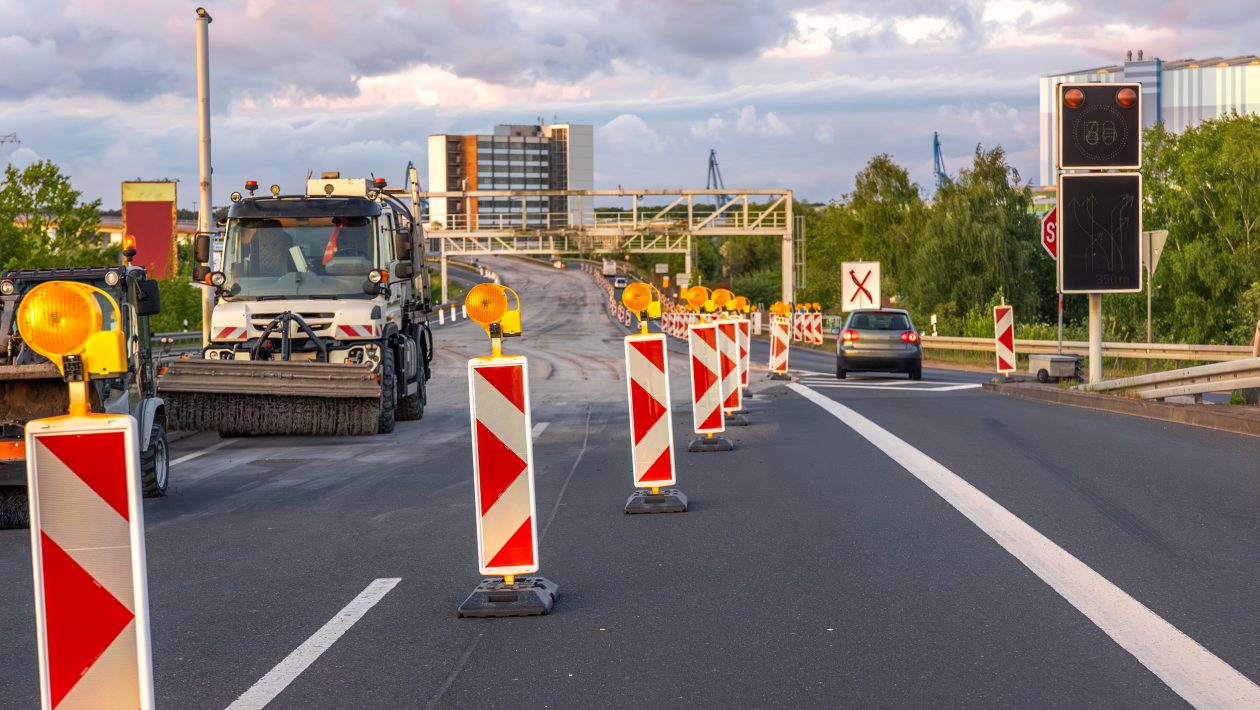
Roadwork, utility projects, and infrastructure upgrades require careful planning to keep traffic moving safely and efficiently. When traffic control is poorly managed, the consequences can quickly become far more serious than temporary delays.
Higher project costs, safety risks, disruptions, and stakeholder concerns can all affect the overall success of a project.
A well-designed traffic control management plan helps crews work safely, keeps projects on schedule, and minimizes disruptions for motorists. Understanding the risks of poor planning helps contractors, municipalities, and project managers make informed decisions before issues occur.
Why poor traffic control increases project risks
Poor traffic control can create problems quickly once work begins. Small issues often escalate into larger challenges that affect safety, productivity, and traffic flow.
Some common problems include:
- Unclear lane closures that confuse drivers and lead to sudden braking or unsafe merging.
- Traffic congestion during peak periods because vehicles are not directed efficiently.
- Signs or safety devices that are installed too late or positioned incorrectly.
- Poor coordination between work crews, equipment operators, and traffic personnel.
These issues can slow projects, increase safety risks, and create unnecessary frustration for everyone using the road. Investing in professional traffic control services early in the planning process helps prevent many of these problems before they affect the job site.
5 costly problems caused by weak traffic control systems
When traffic control is poorly planned or inconsistently managed, even routine road projects can experience avoidable setbacks.
1. Long traffic backups
Unclear lane guidance and poorly timed lane closures can slow traffic, creating congestion that extends well beyond the work zone.
2. Greater risk of accidents
Drivers who are unsure where to merge or change lanes are more likely to make sudden movements, increasing the risk of collisions near active work areas.
3. Construction delays
Crews may need to pause work until traffic conditions improve, making it more difficult to keep the project on schedule.
4. Damage to traffic control equipment
Vehicles entering restricted areas can strike cones, barriers, signs, or other temporary equipment, resulting in additional repair and replacement costs.
5. Ineffective detours
Poorly planned detour routes can redirect vehicles onto unsuitable roads, creating congestion and disrupting nearby neighborhoods.
These issues can quickly increase project costs, reduce efficiency, and create unnecessary safety risks for both workers and the traveling public.
How traffic control safety services work on active road sites
Effective traffic control follows a structured process that maintains safe traffic flow while allowing construction work to continue with minimal disruption.
Assess the work zone
Before work begins, the site is evaluated to understand traffic volume, road conditions, speed limits, and potential hazards. This information helps determine the safest traffic control plan.
Set up clear traffic guidance
Temporary signs, cones, barriers, and lane closures are positioned to give drivers clear directions before they enter the work zone. A well-organized setup reduces confusion and keeps traffic moving smoothly.
Monitor and manage traffic
Traffic controllers oversee vehicle movement throughout the project, making adjustments when traffic volumes, weather conditions, or site requirements change. This helps prevent unnecessary congestion and keeps work progressing safely.
Maintain communication on site
Regular communication between traffic controllers, supervisors, and construction crews allows issues to be addressed quickly. Keeping everyone informed helps reduce delays and supports a safer environment for both workers and motorists.
Following a structured traffic control plan helps improve safety, reduce disruptions, and keep projects running efficiently from start to finish.
Choosing the right traffic control partner
Choosing the right provider is an important step in delivering a safe and successful project. Businesses should consider the provider’s experience, safety practices, training standards, and ability to manage a range of project challenges.
Right Traffic supports businesses with practical solutions designed to improve work zone safety, maintain compliance, and keep traffic moving efficiently.
Frequently asked questions
What are the hidden costs of poor traffic control management?
Hidden costs include project delays, workplace accidents, equipment downtime, increased labor expenses, regulatory penalties, and reduced productivity.
How does poor traffic control affect project schedules?
Poor planning can slow construction activities, increase downtime, and extend project timelines, leading to higher overall costs.
Why is traffic control important for worker safety?
Proper traffic control helps separate workers from moving vehicles, improves driver awareness, and reduces the risk of accidents in work zones.
Can poor traffic control affect local businesses?
Yes. Heavy congestion and difficult road access may discourage customers, delay deliveries, and disrupt normal business operations.
When should a traffic control plan be reviewed?
Traffic control plans should be reviewed before work begins and updated whenever site conditions, traffic patterns, or project phases change.