
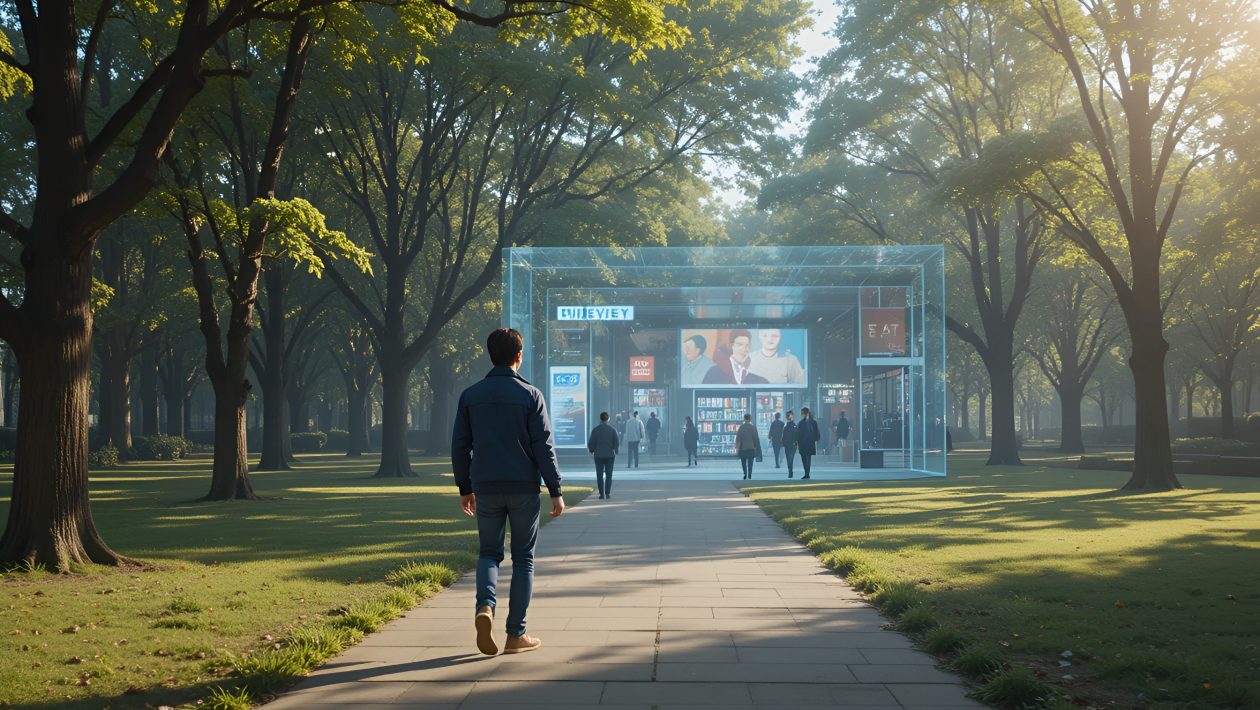
Digital advertising displays have evolved from flashy novelties into accountable performance channels. Whether deployed as standalone units in retail environments or as part of a broader programmatic strategy, these screens represent a significant capital investment.
The difference between a cost center and a revenue driver lies in one critical capability: measuring what truly matters. This article outlines a strategic framework for maximizing return on investment (ROI) by moving beyond vanity metrics toward data-driven optimization.
The Convergence of Physical and Digital
Today’s most effective strategies treat every screen as an addressable asset. When a consumer passes a screen and later visits a website or a store, the modern advertiser needs to connect those dots. This convergence allows physical retail spaces to benefit from the attribution models traditionally reserved for e-commerce.
To truly maximize ROI, brands should partner with a leading display advertising agency that places brands in trusted premium environments. Such a partner delivers precision-targeted, programmatic campaigns that reach the right people at the right time, strengthening brand loyalty and maximizing conversions without overspending.
Defining the New Metrics: From Impressions to Impact
Traditional metrics like ad impressions and click-through rates only tell part of the story, especially for physical screens. To calculate true ROI, we must integrate data from the physical world. This involves using digital signage analytics tools to measure foot traffic, dwell time, and engagement rates.
For instance, a retail environment might use sensors to track how many people stop to view an LED video installation versus how many walk by. By tying these engagement metrics directly to sales data from a content management system, marketers can determine the actual sales lift generated by specific creative, moving beyond simple banner ad thinking to prove tangible value.
Dynamic Content Management: The Engine of Efficiency
A digital signage network is only as good as the software that powers it. A content management system (CMS) is the central nervous system that allows for real-time updates, dayparting, and audience targeting.
In a quick-service restaurant, digital menu boards can automatically shift from breakfast to lunch menus while promoting high-margin items based on time of day. This agility eliminates the waste associated with printed static media.
Furthermore, cloud-based digital signage software enables brands to manage thousands of digital displays across multiple locations instantly, ensuring message consistency while allowing for local customization.

Hardware as an Investment: Durability and Image Quality
High-resolution LED video displays and LCD screens ensure that content is delivered in the best possible light, preserving brand equity. In outdoor settings, ruggedized digital billboards and message centers must withstand weather extremes to ensure 24/7 uptime.
Investing in premium LED signage and electronic signage systems reduces the total cost of ownership by minimizing maintenance and replacement cycles. Whether it’s an LED video installation in a stadium or sleek digital directories in a corporate lobby, the quality of the hardware reflects the quality of the brand.
The Experience Economy: Interactive and In-Store Applications
Today’s consumers expect engagement. Integrating interactive applications into your digital strategy transforms passive viewers into active participants. In a retail environment, this might mean touchscreen digital promo boards that allow customers to browse inventory or wayfinding kiosks that guide them to specific products.
These audiovisual systems enhance customer service by providing immediate, relevant information. Moreover, by linking interactive digital signage to mobile devices via QR codes or Bluetooth, brands can bridge the gap between in-store advertising and online conversion, creating a seamless omnichannel journey that drives loyalty and repeat business.
The Power of Motion: Integrating Video into the Digital Ecosystem
As digital displays become more sophisticated, the content they run must evolve to match their potential. While static images and text-based messaging have their place, video content has proven to be the most effective format for capturing the fleeting attention of modern consumers. Integrating video marketing into a digital signage strategy transforms a simple information board into a compelling brand experience.
The human eye is naturally drawn to motion. In a busy retail environment or a crowded public space, a video screen inherently stands out against a sea of static visuals. Video allows brands to tell micro-stories in the time it takes a customer to walk past a display. A 15-second loop showing a product in use, a customer testimonial, or the behind-the-scenes craftsmanship of a product can convey more emotional weight and practical information than a dozen static slides.
The Bottom Line
Maximizing ROI from digital advertising displays requires a holistic view that encompasses technology, content, and strategy. It demands a shift from simply counting eyes to understanding engagement and conversion. By leveraging programmatic bidding for out-of-home inventory, utilizing a sophisticated ad server to manage campaigns, and constantly A/B testing creative across your network, you can ensure that every screen contributes to the bottom line.