
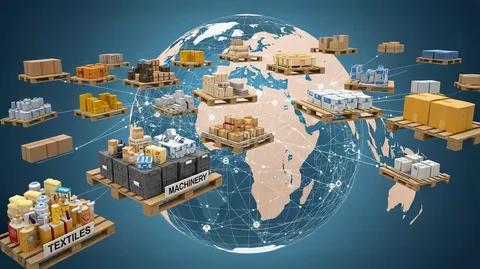
The global movement of goods is evolving at a rapid pace. From shifting consumer expectations to advances in technology, the logistics landscape is no longer what it once was. Businesses that rely on shipping and transportation are having to rethink their strategies to keep up with new demands, improve efficiency, and remain competitive in an increasingly interconnected world.
A Move Toward Resilient Supply Chains
One of the most noticeable changes is the focus on resilience rather than just speed or cost. In the past, many companies relied on streamlined, cost-effective supply chains that prioritized efficiency above all else. Today, there is a stronger emphasis on flexibility and risk management.
Businesses are diversifying suppliers and routes to avoid disruptions. Instead of depending on a single region or transport method, they are spreading risk across multiple channels. This approach helps reduce the impact of delays, shortages, or unexpected global events, making supply chains more reliable overall.
Technology Is Reshaping Logistics
Technology is playing a central role in transforming how goods move globally. Digital tools now allow businesses to track shipments in real time, providing greater visibility and control throughout the delivery process. This transparency helps reduce uncertainty and allows for quicker responses when issues arise.
Automation is also becoming more common in warehouses and distribution centers. From robotic picking systems to automated sorting, these innovations are speeding up operations while reducing human error. At the same time, artificial intelligence is being used to predict demand, optimize routes, and improve overall efficiency.
Digital platforms are another key development, making it easier for businesses to connect with carriers and manage logistics more effectively.
Sustainability Is Driving Change
Environmental concerns are influencing nearly every aspect of global shipping. Companies are under increasing pressure to reduce their carbon footprint and adopt more sustainable practices. This has led to a rise in eco-friendly initiatives across the logistics sector.
Many businesses are exploring alternative fuels, optimizing delivery routes to cut emissions, and using more sustainable packaging materials. Electric vehicles and low-emission transport options are also becoming more common, particularly for last-mile delivery.
Sustainability is no longer just a marketing point, it is becoming an essential part of how goods are moved and managed worldwide.
The Continued Growth of E-Commerce
E-commerce continues to shape the way goods are transported. Consumers now expect faster delivery times, flexible shipping options, and seamless service. This has put pressure on logistics networks to become more agile and responsive.
To meet these expectations, businesses are investing in local distribution hubs and improving last-mile delivery solutions. By positioning goods closer to customers, companies can reduce delivery times and improve overall service.
This shift has made logistics more complex, but also more customer-focused, with convenience and speed taking priority.
Changing Global Trade Dynamics
Global trade is being influenced by a variety of external factors, including economic shifts and geopolitical changes. These factors can affect shipping routes, costs, and timelines, forcing businesses to adapt quickly.
Companies are now more cautious and strategic in how they move goods internationally. They are exploring alternative routes and partners to avoid potential disruptions and ensure continuity. This adaptability has become a crucial part of modern logistics planning.
Data and Smarter Decision-Making
Data is becoming one of the most valuable tools in logistics. Businesses are using advanced analytics to gain insights into shipping patterns, customer demand, and operational performance. This information helps them make more informed decisions and improve efficiency.
Predictive analytics, for example, can identify potential delays before they happen, allowing companies to take proactive measures. This reduces downtime and improves the overall reliability of supply chains.
More Flexible Shipping Solutions
Flexibility is now a key priority for businesses moving goods globally. Rather than relying on fixed systems, companies are seeking solutions that allow them to adapt quickly to changing circumstances.
Platforms like Shiply shipping services provide businesses with access to a range of transport options, making it easier to find cost-effective and tailored solutions. This kind of flexibility helps companies stay competitive in a constantly changing environment.
Looking Ahead
The way goods move globally is becoming more dynamic, driven by innovation and shifting priorities. From technology and sustainability to changing consumer expectations, the logistics industry is entering a new phase.
Businesses that embrace these changes and invest in smarter, more flexible systems will be better prepared for the future. As global trade continues to evolve, adaptability and forward-thinking strategies will be essential for long-term success.