
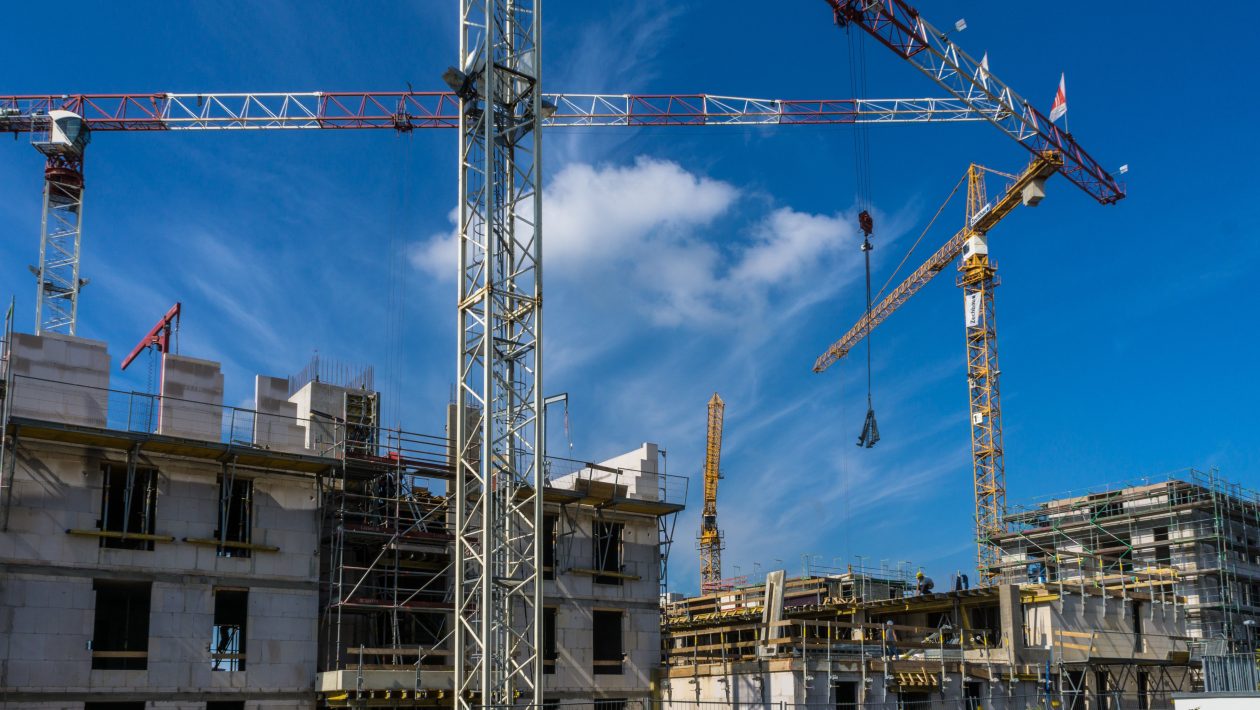
Building a home is no longer just a game of “wait and watch.” In 2026, the construction landscape in India and specifically in a high-growth hub like Hyderabad has shifted from traditional masonry to tech-driven precision. Whether you are building an independent villa in Kokapet or a rental-ready G+3 structure in Uppal, the rules of the game have changed.
For years, the Indian construction sector was defined by “estimates” that always seemed to double by the end of the project. But today, the rise of PropTech and transparent project management has given power back to the landowner. This guide is your 2,500 word blueprint for building in the modern era.
1. The Financial Reality: Cost of Construction in 2026
The most frequent question any builder hears is: “What is the per sq ft rate today?” While the answer varies based on quality, the market in Hyderabad has stabilized into three distinct tiers for 2026.
The Budget Breakdown (Per Sq Ft)
| Quality Tier | Average Cost (per sq ft) | Key Features |
| Standard Grade | ₹1,850 – ₹2,100 | Branded cement, local sand, vitrified tiles, and standard teak wood frames. |
| Premium Grade | ₹2,200 – ₹2,750 | Engineered marble, UPVC windows, Jaguar/Kohler fittings, and premium wall finishes. |
| Luxury/Bespoke | ₹3,200+ | Italian marble, home automation, double-glazed windows, and designer facades. |
When calculating your cost of construction per sq ft, remember that this figure usually covers the “civil and basic finishing.” Most homeowners fail to budget for the “hidden” essentials that can inflate the bill by 20%:
- Legal Permissions: GHMC and HMDA approval fees are based on the built-up area and can be significant.
- External Utilities: Borewell drilling (which in Hyderabad can go deep), electrical transformers, and compound walls.
- Interiors: Modular kitchens and wardrobes are usually quoted separately from the construction cost.

2. The G+3 Phenomenon: Why Hyderabad Builds Vertically
In Hyderabad, land is gold. This has led to a massive surge in G+3 building construction cost in Hyderabad queries. Building vertically is the smartest way to maximize ROI, allowing for a family residence on the top floors and rental income from the lower units.
The Structural Science of G+3
Building a multi-story home isn’t just about stacking floors. It requires a different engineering mindset:
- Soil Bearing Capacity (SBC): Hyderabad’s terrain varies from hard granite to loose black cotton soil. A G+3 structure requires an SBC test to decide if you need a pile foundation or a standard raft foundation.
- The Pillar Load Calculation: For a G+3 structure, the “dead load” of the building is immense. Using Fe550D grade steel is non-negotiable to ensure the building can withstand minor seismic tremors and the weight of four concrete slabs.
- Vertical Transport: In 2026, a G+3 building without a lift provision is considered “outdated.” Even if you don’t install the lift now, leaving the “lift pit” and shaft ready is a vital part of modern residential construction.
3. The Tech Revolution: From Hocomoco to Wehouse
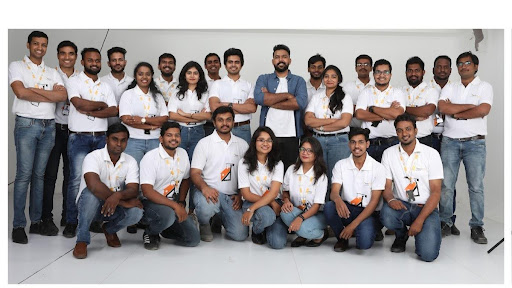
The pandemic was a wake-up call. Traditional methods couldn’t handle labor shortages or supply chain breaks. This birthed the “Construction Tech” era. Companies like Wehouse – Home Construction (formerly known as Hocomoco) have pioneered a model where data, not guesswork, drives the site.
The E-Monitoring Edge
The biggest pain point for any homeowner is the “Site Visit.” If you are a professional working in Hitech City or living abroad, you cannot spend every afternoon at a dusty site.
- Live CCTV Feeds: You can now watch your residential construction cost per sq ft being put to work in real-time.
- Transparency in Material: Digital logs track exactly how many bags of cement arrived and how many were used. This eliminates the 10-15% “wastage and theft” margin common in unorganized construction.
- BuildNow Integration: Telangana’s AI-powered “BuildNow” platform has replaced older systems, allowing for building permission scrutiny in record time. Tech-savvy builders use this to get your project started months ahead of traditional contractors.
4. Deep Dive into Material Selection: Quality vs. Cost
To manage the cost of construction, you must understand what you are buying. In 2026, the “brand” matters as much as the “grade.”
Cement & Steel: The Bones
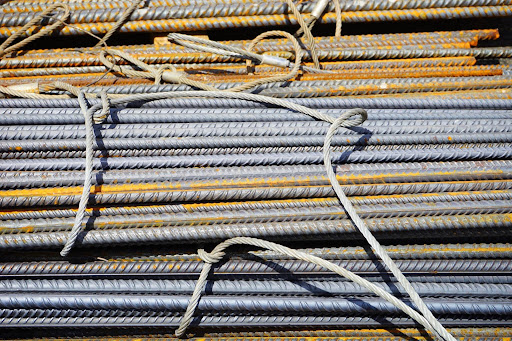
In Hyderabad, brands like Ultratech, Maha, and Penna dominate. For a G+3 project, we recommend 53-grade OPC for the structure and PPC for the plastering to avoid cracks. For steel, JSW Neo and Tata Tiscon remain the benchmarks for ductility and strength.
Masonry: AAC Blocks vs. Red Bricks
This is the biggest debate in residential construction in Hyderabad today.
- Red Bricks: Preferred for their strength and “traditional” feel, but they are heavy and increase the load on your beams.
- AAC Blocks: These are the future. They are lightweight (reducing structural steel needs), fire-resistant, and offer incredible thermal insulation. In the scorching Hyderabad summers, AAC blocks can reduce your indoor temperature by 3-4 degrees.
5. Sustainability: Building “Green” to Save “Green”
In 2026, “Green Building” isn’t just a buzzword; it’s a cost-saving strategy.
- Telangana Cool Roof Policy: It is now mandatory for new buildings in Hyderabad to have cool roofs. This involves using reflective paint or tiles on the terrace, which drastically reduces heat absorption.
- Rainwater Harvesting: With the fluctuating water table in areas like Manikonda and Tellapur, a well-designed rainwater harvesting pit is a legal requirement and a practical necessity.
- Solar-Ready Structures: A modern home construction company will design your roof to be “solar-ready,” ensuring the conduits are laid during the slab casting so you don’t have to drill holes later.
6. The “Turnkey” Advantage: Why One-Stop Solutions Win
For most people, the cost of construction spirals because they try to manage ten different vendors the plumber doesn’t talk to the electrician, and the carpenter blames the mason. A turnkey partner provides a fixed-price contract that covers:
- Architecture & Vastu: Floor plans that maximize light and air while respecting traditional values.
- Structural Engineering: Providing the “Blueprint” that ensures your house stays crack-free for 50+ years.
- Project Management: A dedicated site engineer who ensures that the per sq ft construction cost in Hyderabad is optimized by reducing labor idle time.
7. Neighborhood Variations: Where You Build Matters
The cost of construction per sq ft isn’t the same across Hyderabad.
- West Hyderabad (Gachibowli, Kokapet): High labor costs and strict adherence to HMDA rules. Logistics can be tricky due to heavy traffic, increasing transport costs.
- North/East Hyderabad (Uppal, Kompally): Slightly more affordable labor, but soil quality can be tricky (more rock or clay), which might increase foundation costs.
8. Conclusion: Your Sanctuary, Digitally Perfected
The cost of construction per sq ft in Hyderabad may fluctuate with the global price of steel, but the value of a well-built home only appreciates. By choosing a partner that leverages e-monitoring, transparent budgeting, and high-quality structural design, you are not just building a house, you are securing your family’s future.
Building a home is the most emotional investment you will ever make. In 2026, make sure it is also your smartest one.