
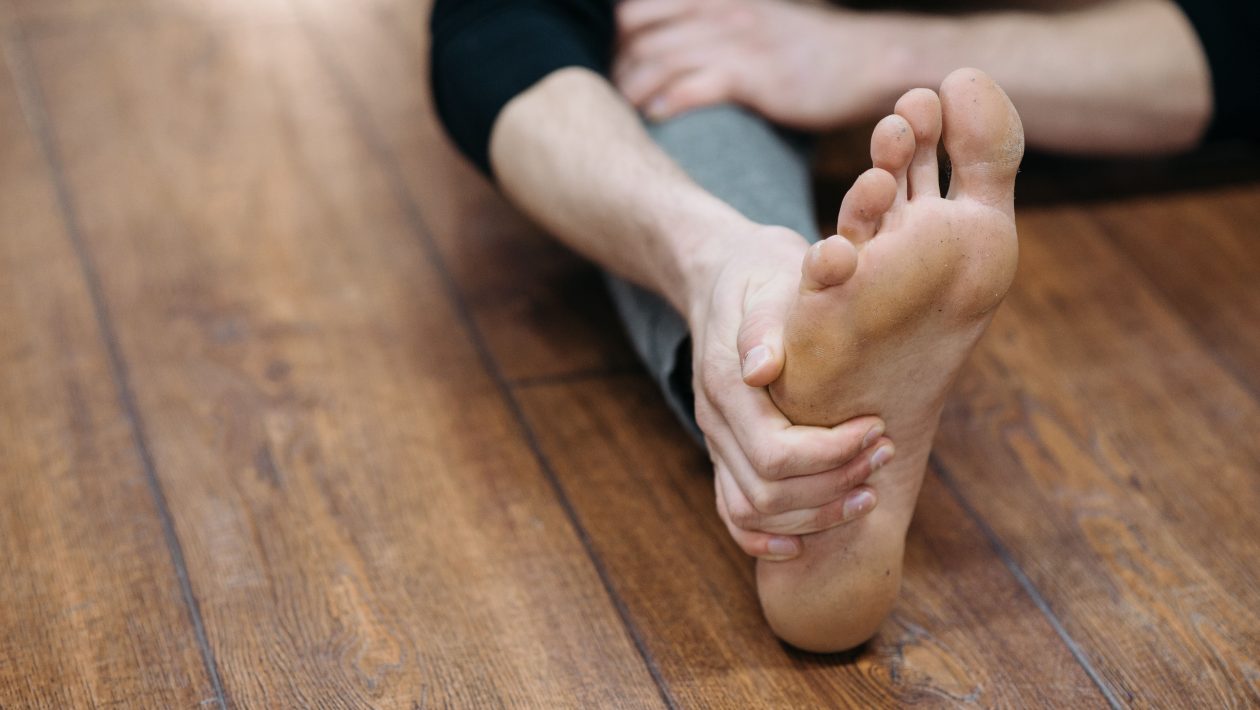
Foot pain can be frustrating, especially when you cannot understand what is causing it. I experienced this myself when a strange discomfort started developing under the front part of my foot. At first, it felt like a small irritation that would disappear on its own. But over time, the pain became more noticeable, especially while walking, standing for long hours, or wearing certain shoes.
The sensation was unusual. Sometimes it felt like I had a small pebble inside my shoe, while other times I felt a burning sensation spreading toward my toes. The discomfort affected my daily activities and made simple movements more difficult.
After researching my symptoms and getting proper medical guidance, I learned that I was dealing with Morton’s neuroma. My journey of how I cured my Morton’s neuroma was not based on one treatment or a quick fix. It involved understanding my condition, changing my footwear, reducing pressure on my feet, and following habits that supported recovery.
If you are dealing with similar foot nerve pain, understanding the causes, symptoms, and treatment options can help you make better decisions about your recovery.
What is Morton’s Neuroma?
Morton’s neuroma is a condition that affects the nerves in the front part of the foot. It occurs when the tissue surrounding a nerve becomes irritated and thickened, creating pressure on the nerve.
Although the name may sound serious, Morton’s neuroma is not a cancerous growth. It is mainly a problem caused by repeated pressure and irritation around the nerve.
The condition commonly develops between the third and fourth toes. However, some people may experience symptoms in other areas of the foot.
Common Morton’s neuroma symptoms include:
- Burning pain in toes
- Tingling or numbness in the toes
- Sharp pain while walking
- A feeling of something stuck under the foot
- Pain under the ball of foot
- Discomfort that increases when wearing tight shoes
In my case, the pain was not always present. Some days were manageable, while other days walking became uncomfortable. This made it difficult to identify the problem in the beginning.

What Caused My Morton’s Neuroma?
Understanding the reason behind my pain helped me make the right changes. I realized that some of my daily habits were increasing pressure on my feet.
Several factors can contribute to Morton’s neuroma, including:
1. Wearing Tight or Narrow Shoes
One of the biggest factors is footwear. Shoes that squeeze the toes together increase pressure around the nerves. High heels can also shift body weight toward the front of the foot, making the problem worse.
I noticed that certain shoes immediately increased my discomfort. Once I started choosing more comfortable options, my symptoms slowly became easier to manage.
2. Repeated Pressure on the Foot
Activities that involve repeated stress on the front part of the foot can contribute to nerve irritation. This may include running, standing for long periods, or walking on hard surfaces for extended periods.
3. Foot Structure Problems
Some people are more likely to develop Morton’s neuroma because of their foot shape. High arches, flat feet, bunions, or other foot conditions can change how pressure is distributed while walking.
How I Cured My Morton’s Neuroma: The Steps That Helped Me Recover
When I first started looking for answers, I wanted a simple solution. However, I learned that recovery required patience and consistency.
The biggest improvement came from combining different approaches instead of depending on one method. These are the steps that helped me reduce pain and improve my foot health.
1. I Changed My Footwear
Changing my shoes was the first major step in my recovery.
Before understanding my condition, I often wore shoes that looked good but did not provide enough support. These shoes increased pressure on the front of my foot and made my symptoms worse.
I started choosing shoes with:
- A wider toe box
- Better cushioning
- Proper arch support
- A lower heel
- Enough space for natural toe movement
Finding the best shoes for Morton’s neuroma made a noticeable difference. My feet felt less compressed, and walking became more comfortable.
I also avoided wearing shoes that caused immediate discomfort. If a pair of shoes increased pain after a short period, I knew they were not suitable for my feet.
2. I Used Foot Support and Metatarsal Pads
Another helpful change was using additional foot support. Metatarsal pads for Morton’s neuroma helped reduce pressure on the painful area by redistributing weight across the foot. They are placed inside the shoe and can provide extra cushioning.
The important thing is proper placement. A poorly positioned pad may not help and can sometimes increase discomfort.
Some people may also benefit from custom orthotics. These inserts are designed according to individual foot structure and may improve pressure distribution while walking.
3. I Reduced Activities That Triggered Pain
One mistake I made early was continuing activities even when my foot was clearly uncomfortable.
I thought pushing through the pain would make my foot stronger, but it actually delayed recovery.
I started making small adjustments:
- Taking breaks during long periods of standing
- Reducing high-impact activities temporarily
- Avoiding movements that increased pain
- Allowing my foot time to recover
Rest did not mean avoiding all movement. Gentle activity helped maintain flexibility without putting excessive stress on the nerve.
4. I Added Simple Foot Exercises
Along with footwear changes, I started doing gentle exercises to improve foot movement and flexibility. Some helpful Morton’s neuroma exercises include:
Toe Stretching
Stretching the toes gently can improve flexibility and reduce stiffness around the front of the foot.
Calf Stretching
Tight calf muscles can affect walking patterns and increase pressure on the feet. Regular calf stretches helped improve movement.
Foot Strengthening
Simple strengthening exercises can support better foot function and stability.
However, exercises should always be comfortable. If a movement increases pain, it is better to stop and seek professional advice.
5. I Managed Pain During Recovery
During recovery, some days were better than others. Managing discomfort helped me stay consistent with my routine.
Simple steps that helped included:
- Applying ice after activities that caused discomfort
- Wearing supportive shoes regularly
- Avoiding unnecessary pressure on the painful area
- Following medical advice when needed
Instead of only focusing on reducing pain temporarily, I focused on preventing the problem from getting worse.
Non-Surgical Treatment for Morton’s Neuroma
Many people improve without surgery. Non-surgical treatment for Morton’s neuroma is usually the first approach recommended. Common options include:
Shoe Changes
Supportive footwear is often one of the first recommendations because it reduces pressure on the nerve.
Orthotic Devices
Insoles and metatarsal supports can help improve foot alignment and reduce stress.
Physical Therapy
A physical therapist may suggest exercises and techniques to improve movement and reduce discomfort.
Medication or Injections
In some cases, doctors may recommend pain-relieving medicines or injections to reduce symptoms.
The right treatment depends on how severe the condition is and how the foot responds to different approaches.
Did I Need Surgery for Morton’s Neuroma?
At one point, I wondered if surgery would be necessary. Many people with ongoing symptoms have the same concern.
However, surgery is usually considered only when other treatments do not provide enough relief.
Surgical options may include:
- Removing pressure from the nerve
- Removing part of the affected nerve tissue
While surgery can help some people, it also involves recovery time and possible risks. For many patients, making lifestyle changes and following non-surgical treatments may provide significant improvement. In my case, consistent care helped me avoid that stage.
Morton’s Neuroma Recovery Time: How Long Did It Take?
The Morton’s neuroma recovery time can vary from person to person.
Some people notice improvement within weeks after changing their footwear and daily habits. Others may need several months, especially if symptoms have been present for a long time.
My recovery was gradual. I did not experience a sudden change overnight. Instead, I noticed small improvements:
- Walking became easier
- The burning sensation reduced
- Shoes became more comfortable
- Daily activities felt less challenging
The most important thing was staying consistent. Small improvements added up over time.
Mistakes That Slowed My Recovery
Looking back, I made a few mistakes that delayed my progress.
- Ignoring Early Symptoms: I initially thought the discomfort would disappear without any changes. Ignoring early signs allowed the problem to continue.
- Returning to Old Footwear: Once I felt better, I sometimes returned to shoes that had caused problems before. This reminded me that comfortable footwear needed to become a permanent habit.
- Doing Too Much Too Soon: Trying to return immediately to previous activity levels increased discomfort. Gradual progress worked much better.
Conclusion
My experience with how I cured my Morton’s neuroma taught me that foot health requires attention and consistency. The biggest improvement came when I stopped ignoring the pain and started making changes that supported my feet.
Changing my shoes, using proper support, following exercises, and adjusting my daily activities helped me regain comfort while walking.
If you are experiencing burning pain, tingling, or discomfort under your foot, do not ignore the symptoms. Every person’s recovery journey is different, but understanding the condition and taking the right steps can help you move toward relief. Taking care of your feet today can make a big difference in how comfortably you walk tomorrow.
Frequently Asked Questions (FAQs)
Q1. Can Morton’s neuroma go away without surgery?
Yes, many people improve with proper footwear, exercises, foot support, and lifestyle changes. Surgery is usually considered when other treatments do not provide enough relief.
Q2. What is the fastest way to relieve Morton’s neuroma pain?
Reducing pressure on the affected area is often the first step. Wearing supportive shoes, resting when needed, and using proper foot support may help.
Q3. Can walking make Morton’s neuroma worse?
Long periods of walking, especially in unsuitable footwear, can increase pressure on the nerve and worsen symptoms.
Q4. Are there exercises that help Morton’s neuroma?
Yes, gentle stretching and strengthening exercises may support recovery. However, exercises should not increase pain.
Q5. Can the wrong shoes cause Morton’s neuroma symptoms?
Yes, tight shoes and high heels can increase pressure around the nerves and may worsen symptoms.