
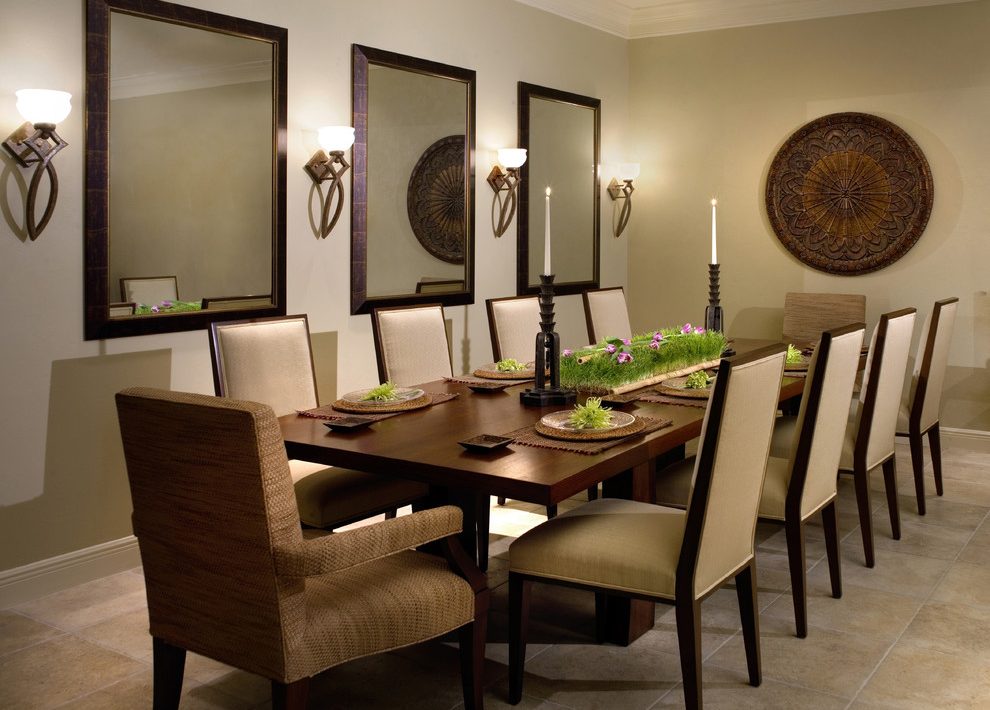
Looking at the array of visually appealing Japanese dinnerware, it’s easy to see how eating and drinking from such items could elevate your dining experience. It’s not just your taste buds that are given a treat, so are the rest of your senses. This goes to show that the plates, cutlery, and other tableware used to serve food can make a huge difference.
Material
Did you know that certain materials used in tableware can affect the taste of food? So, even if a plate or spoon looks fancy, carefully consider the material used before buying one.
- Always check that metal tableware is made of stainless steel and not of lower-quality metal, which can transfer a slight metallic taste to your food.
- Verify that ceramic items are glazed properly and safely without the use of harmful chemicals such as lead.
- Always go for non-porous glassware and glass tableware to prevent absorption of food odours and flavours. You don’t want that strong curry taste or smell to stick long after you’ve washed a glass bowl.
- Avoid tableware and utensils made of cheap plastic. If you tasted something funny while using plastic plates and utensils, it’s probably the chemicals used in making low-quality plastic tableware.
Texture
Similar to materials, certain textures can make or break your overall dining experience, affecting flavours either in a good or bad way.
- Between a wooden and a metal spoon, for example, the former gives off a warmer sensation, while the latter is cooler.
- A rough clay bowl can easily enhance a dish’s texture and flavour, something a smooth porcelain bowl may not be able to pull off spectacularly.
Shape and Size
Your perception of how your meal will taste can be affected by the shape and size of your dinnerware. That delicious-looking classic sauce you made may taste different once it goes from a fancy bowl to your mouth.
- The size of your plate can have a direct impact on your waistline, according to numerous studies. The bigger the plate, the more food you’re likely to consume, and you may not even notice it.
- The shape of your bowl, whether shallow or deep, can change how a food tastes because of flavour distribution. Think of this as similar to how most solid ingredients would sink to the bottom of a deep soup bowl, requiring you to stir it first so you can enjoy all the flavours.
- A spoon with a deeper bowl makes it easier to appreciate every bite of soup or stew because of the amount of liquid it can hold.
- Glassware made of thick glass has better insulation properties, ideal for keeping cold drinks colder for longer.
Colour Psychology
Colour psychology not only applies to wall paint and creatives but also to food perception. Combined with proper food preparation and cooking, the choice of tableware can bring out a food’s overall flavour.
- Red tableware will make any food look more appetising, making you eat more than you normally would.
- Blue tableware will make food look less appealing, bringing your appetite down.
- Yellow tableware can make food appear vibrant, creating that happy and lively dining experience.
On top of these considerations, always choose quality dinnerware that will elevate your dining experience and save you money over the long term because of its durability and versatility. Most premium pieces also have that undeniable aesthetic appeal. If you’re ready to stock up on such pieces, including ceramicware, OKAERI (OKAERI) has just what you need.