
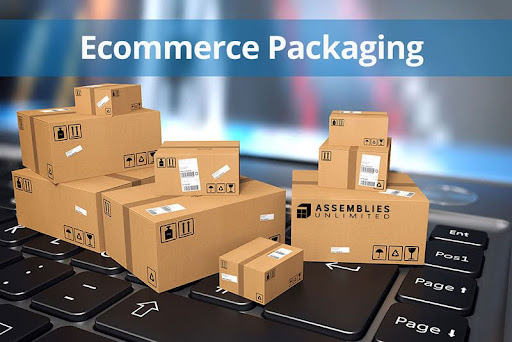
Appropriate e-commerce packaging materials can reduce shipping damage, save logistics costs, and enhance your customers’ unboxing experience. Product, shipping method, and sustainability all influence your e-commerce packaging choices. Conversely, poor packaging can increase returns and damage your brand image. We’ve helped over 100 brands create custom packaging. Here, we’ll explain how to choose the best e-commerce packaging solution.
Last updated: August 2025 | Estimated reading time: 7 minutes
This article will answer your questions:
- Factors to consider before choosing e-commerce packaging
- The best packaging material for fragile and high-value products
- Cost-effective packaging solutions for bulk shipments
- Environmentally friendly packaging materials that meet sustainable goals
- Compliance requirements for international transportation and customs clearance
- New packaging technology improves transportation efficiency
- Mistakes to avoid when choosing packaging materials for e-commerce
What factors should be considered before choosing e-commerce packaging materials?
The product determines the type of packaging material. Size, weight, fragility, storage method, and customer expectations all influence the appropriate material.
For example, glass products require double-layer corrugated cardboard or honeycomb cardboard for better cushioning and pressure resistance, while food products must use food-grade paper. The mode of transportation is also a crucial factor—international transportation involves multiple handling and environmental changes, requiring stronger protection than domestic transportation.
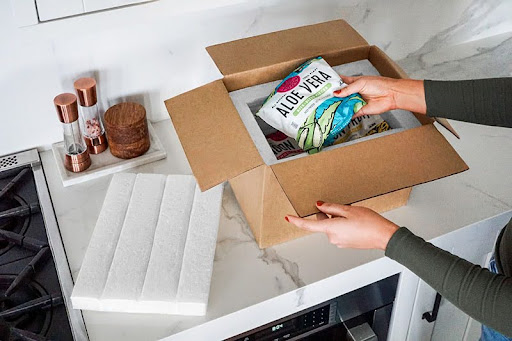
How shipping distance and handling methods affect packaging selection
Long-distance and international transportation can present numerous challenges, including stacking, handling, collisions, and varying climates. Triple-layer corrugated cardboard or reinforced wooden structures are more suitable than standard single-layer cartons.
| Material Types | Recommended Use | Strength Level | What It Means for you |
| Single-wall Corrugated | Domestic shipping | Medium | Low cost, limited protection |
| Double-wall Corrugated | Fragile goods, mid-range shipping | High | Balances cost and strength |
| Triple-wall Corrugated | Heavy goods, long-distance shipping | Very High | Suitable for export products |
Practical advice on material selection
- High burst-resistant cartons: High-value or heavy products require high-strength corrugated cardboard
- High storage efficiency: Folding cartons can be laid flat, saving storage space
- Test before batch production: drop test and side pressure test can simulate the transport bearing capacity
Case study: After an American home furnishing brand switched from single-layer ceramic packaging to double-layer corrugated paper, the breakage rate dropped by 35%, significantly improving user experience and reducing defective rates.
Which packaging materials are best for fragile and high-value products?
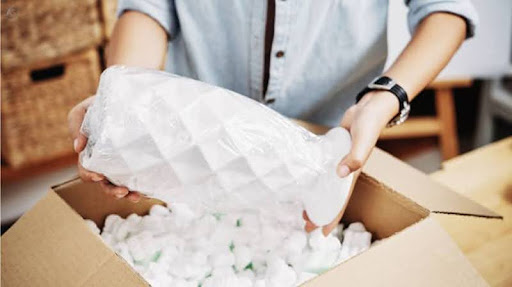
Fragile items such as glass, ceramics, and electronic products require shock-proof and pressure-resistant materials.
Packaging solutions such as double-layer corrugated cardboard, honeycomb cardboard, and molded pulp trays can provide good protection.
High-value products can use hard gray board + customized EVA (foam) inner support, which can not only strengthen but also improve the overall packaging level.
What is a cost-effective packaging solution for bulk shipping?
Bulk shipping is a balance between cost and risk of damage.
For non-fragile items, single-layer corrugated cardboard or kraft paper courier bags can reduce weight and lower shipping costs.
Which environmentally friendly packaging materials meet sustainable development goals?
Environmentally conscious brands favor FSC-certified kraft paper, biodegradable films and water-based inks.
These materials comply with increasingly stringent recycling regulations in the EU, US, and UK, while enhancing the brand’s green image.
The latest environmentally friendly packaging trends in 2025
- Molded paper pulp tray: an alternative to plastic blister
- Degradable stretch film: reducing landfill waste
- Water-based coated paperboard: fully recyclable
How do product weight and size influence packaging choices?
Heavy products require corrugated cartons with high burst strength.
Large-sized products can be packaged using reinforced corners and pallet-type wooden frames to prevent deformation during transportation.
Which materials comply with international transportation and customs clearance regulations?
Different countries may require food safety compliance, limits on plastic usage, or proof of recyclability.
Ensure that suppliers can provide FSC certificates, FDA compliance documents or RoHS reports.
What new packaging technologies can improve transportation efficiency?
- Smart labels with QR codes: for easier tracking and warehouse management
- Lightweight, high-strength composite materials: Reduce shipping weight
- Automated box cutting system: reducing filler
Mistakes to avoid when choosing packaging materials for e-commerce
- Only look at the price and ignore the risk of damage
- Ignoring target market regulations
- Ignoring warehousing and delivery efficiency
- No actual transportation test
- No clear carton standards
E-commerce packaging trends and insights in 2025
Sustainability remains the dominant trend, with more and more brands adopting single-material designs for easy recycling.
Automated packaging machines can reduce labor costs and increase delivery speed.
Latest developments:
- AI packaging design: optimizing size and materials
- Paper bubble pad: environmentally friendly protective material
- Bio-based adhesives: compostable sealing solutions
To learn more about e-commerce packaging solutions, please refer to our custom electronics package boxes.
FAQs
What is e-commerce packaging?
Packaging designed for online order delivery, taking into account protection level, branding and cost.
Is eco-friendly packaging more expensive?
Not necessarily. Buying FSC kraft paper or biodegradable film in bulk can be cheaper than purchasing traditional materials.
Can the same packaging be used for domestic and international transportation?
Yes, but international transport requires additional reinforcement measures, such as wooden pallets or four corner reinforcements.
Conclusion
When choosing packaging materials, consider product characteristics, shipping methods, and compliance requirements, rather than simply looking at price.
Be sure to test before large-scale use to balance cost and protection.
Create a checklist covering product fragility, weight, shipping distance, sustainability goals, and regulatory compliance requirements, and confirm each item before placing your order. We will provide you with the best packaging solution based on your requirements.
About XiangGe Package
We have more than 10 years of export packaging experience, with customers all over Europe, America, Australia and Asia. We offer customized e-commerce packaging solutions, including eco-friendly materials, international shipping certifications, and fast proofing.
Contact XiangGe Package for a free packaging consultation and test samples.