
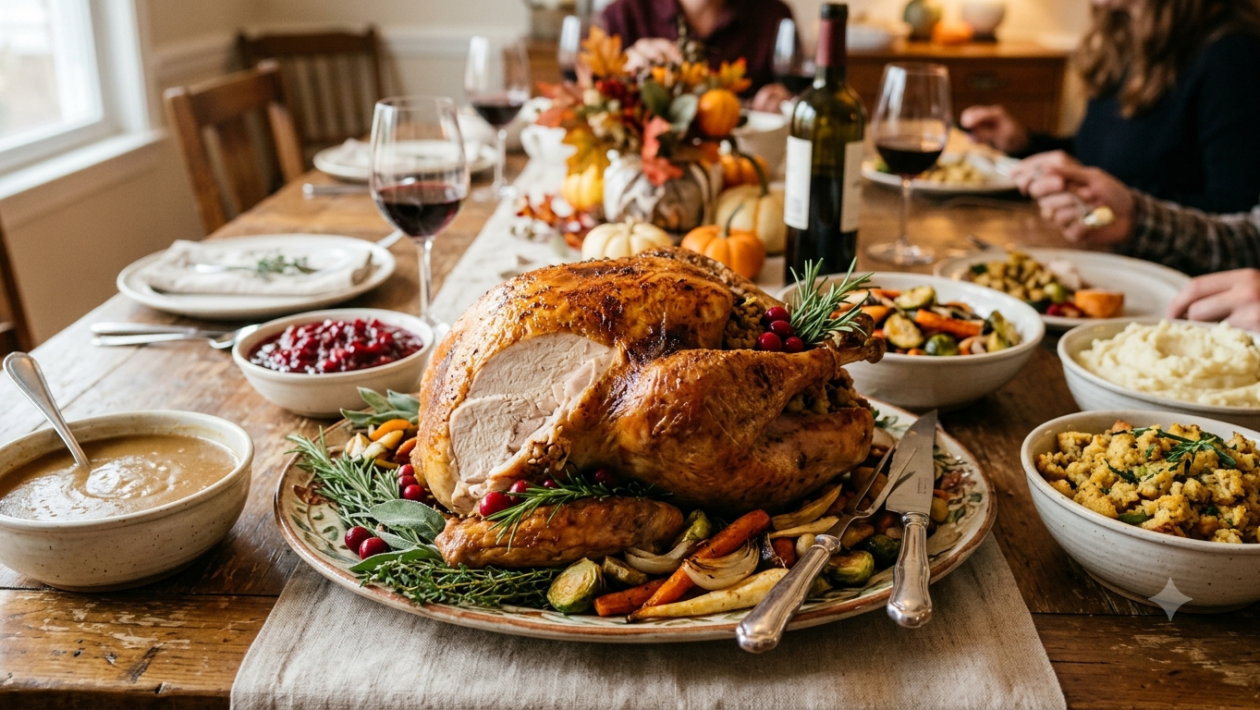
Have you ever finished a delicious turkey dinner and suddenly felt the need to rest? This sleepy feeling is common after large holiday meals and is often called a “turkey coma.” Many people think turkey is the main reason because it contains tryptophan, an amino acid linked with sleep-related processes. However, the real reason is a combination of factors, including meal size, digestion, carbohydrates, alcohol, and relaxation after eating. So, why does turkey make you sleepy? The answer is more than just tryptophan. Understanding how your body reacts after a big meal can help clear up the common myths.
Why Does Turkey Make You Sleepy? The Role of Tryptophan
One of the biggest reasons turkey is linked with sleepiness is tryptophan. This essential amino acid plays an important role in the body and must come from food because humans cannot produce it naturally.
After you eat tryptophan-containing foods, your body uses it to produce serotonin. Serotonin is a neurotransmitter that helps regulate mood, relaxation, and overall well-being. The body can also convert serotonin into melatonin, a hormone that helps manage your sleep-wake cycle.
Because melatonin is associated with sleep, many people assume that eating turkey directly causes tiredness. However, the process is not that simple.
A normal portion of turkey does not contain enough tryptophan to immediately make you sleepy. The body carefully controls how nutrients are absorbed and used, and several other factors affect whether you feel tired after eating.
How Tryptophan Affects Sleep Regulation
Tryptophan is involved in several important processes, including the production of chemicals that support healthy sleep patterns. However, the amount of tryptophan reaching the brain depends on other amino acids and nutrients present in your meal.
A turkey dinner contains many different proteins, fats, and carbohydrates. These nutrients interact with each other during digestion, which means the effect of tryptophan is only one small part of the overall experience.
This is why eating a turkey sandwich on a regular day usually does not create the same sleepy feeling as a large holiday dinner.
Does Turkey Have More Tryptophan Than Other Foods?
Turkey contains tryptophan, but it is not the only food that provides this amino acid. Many protein-rich foods contain similar amounts, including chicken, eggs, fish, dairy products, nuts, and seeds.
The reason turkey gets so much attention is not because it has a magical sleep-inducing quality. It is because people often eat turkey during large celebrations where multiple foods are consumed together.
The combination of a heavy meal and relaxing after dinner is usually responsible for the tired feeling many people experience.
What Actually Causes Sleepiness After a Turkey Dinner?
Although tryptophan is often blamed for the “turkey coma,” several other factors play a bigger role in making you feel tired after a large meal. A turkey dinner usually includes heavy side dishes, desserts, and drinks that affect how your body responds after eating.
Your Body Uses Energy for Digestion
After a meal, your digestive system works harder to break down food and absorb nutrients. A large dinner requires more energy, which can leave you feeling relaxed and sleepy. This natural tiredness after eating is known as postprandial somnolence.
The Entire Meal Matters More Than Turkey
Turkey is usually served with carbohydrate-rich foods like mashed potatoes, stuffing, bread, and desserts. These foods can contribute to a relaxed feeling after eating. The combination of protein, carbohydrates, and a large portion size often creates more tiredness than turkey alone.
Eating More Than Usual Can Make You Tired
Holiday meals often include bigger portions than regular meals. Eating too much can make you feel heavy, slow, and less focused because your body is using extra energy for digestion.
Alcohol and Relaxation Add to Drowsiness
Alcohol served with dinner can increase feelings of relaxation and sleepiness. Sitting back and resting after a large meal can also make your body naturally shift into a more relaxed state.
Is Turkey Actually Good for Sleep?
Although turkey is often associated with sleepiness, it is important to understand that turkey is not a sleep remedy. It is a nutritious protein source that can be part of a healthy diet, but eating it does not guarantee better sleep.
Turkey provides important nutrients, including protein, vitamins, and minerals that support normal body functions. Protein helps maintain muscle health, supports repair processes, and keeps you feeling satisfied after meals.
The connection between turkey and sleep mainly comes from tryptophan. This amino acid supports the production of serotonin and melatonin, but the amount found in a regular serving is not enough to create a strong sleep-inducing effect.
Good sleep depends on many factors, including your daily routine, stress levels, physical activity, sleep schedule, and overall eating habits.
Can Eating Turkey Before Bed Help You Sleep?
Eating turkey before bedtime is unlikely to make you fall asleep faster by itself. While turkey contains nutrients involved in sleep regulation, your body does not immediately turn those nutrients into a sleeping signal.
A balanced evening meal that includes protein, fiber, and healthy fats may support better overall health, but sleep quality depends more on consistent habits.
If you struggle with sleep, improving your bedtime routine, reducing screen time before bed, and maintaining a regular sleep schedule are usually more helpful than relying on one specific food.
Foods That Contain Tryptophan Besides Turkey
Turkey is not the only food that contains tryptophan. Many everyday foods provide this essential amino acid and support normal body functions.
| Food | Tryptophan Content | How It Supports the Body |
| Turkey | Contains tryptophan | Helps with normal protein functions and serotonin production |
| Chicken | Contains tryptophan | Provides protein and essential amino acids |
| Eggs | Contains tryptophan | Supports overall nutrition and hormone production |
| Dairy Products | Contains tryptophan | Provides protein and nutrients linked with body functions |
| Fish | Contains tryptophan | Offers protein and healthy fats |
| Nuts and Seeds | Contains tryptophan | Provides plant-based nutrients and amino acids |
Do Tryptophan-Rich Foods Improve Sleep?
Foods containing tryptophan may support the natural processes involved in sleep regulation, but they do not work like a sleeping tablet. Your body needs a combination of nutrients, healthy habits, and proper sleep timing to maintain a healthy sleep cycle.
For example, someone who eats a balanced dinner and follows a regular bedtime routine may experience better sleep quality than someone who depends only on eating a specific food.
Common Myths About Turkey and Sleep
Many beliefs about turkey and tiredness have been passed down over the years. While some ideas are based on real science, others are exaggerated.
Myth 1: Turkey Is the Only Food That Causes Sleepiness
Turkey is not unique when it comes to tryptophan. Many foods contain this amino acid, including chicken, dairy products, eggs, and fish.
The reason turkey is linked with tiredness is because it is usually eaten during large meals where several other factors contribute to sleepiness.
Myth 2: Turkey Works Like a Sleeping Pill
Turkey does not have a direct sedative effect. Eating turkey will not instantly make you sleepy the way a sleep medication might.
The tired feeling after a turkey dinner usually happens because of digestion, meal size, carbohydrates, alcohol, and relaxation after eating.
Myth 3: Feeling Sleepy After Turkey Means the Food Is Unhealthy
Feeling tired after a large meal does not mean turkey is bad for you.
Turkey is a healthy source of lean protein and can be included in a balanced diet. The sleepy feeling usually comes from eating a large amount of food at once rather than from the turkey itself.
How to Avoid Feeling Sleepy After Eating Turkey
Feeling relaxed after a meal is normal, but you can reduce extreme tiredness by making a few simple changes.
- Eat Smaller Portions: Large meals can increase post-meal fatigue. Eating smaller servings and taking your time while eating can help prevent overeating.
- Add Vegetables and Fiber: Including vegetables, salads, and fiber-rich foods with turkey can support digestion and help maintain steady energy levels.
- Take a Short Walk: Light movement after eating can help you feel refreshed. A short walk is often enough to reduce the heavy feeling after a meal.
- Limit Alcohol and Sugar: Too much alcohol and sugary desserts can make tiredness worse. Enjoying them in moderation may help you stay more active after dinner.
- Stay Hydrated: Drinking enough water supports digestion and helps your body handle larger meals comfortably.
Wrapping Up
So, why does turkey make you sleepy? The answer is not just tryptophan. While turkey contains this amino acid, the tired feeling after a turkey dinner usually happens because of a combination of factors, including a large meal, digestion, carbohydrate-rich foods, alcohol, and relaxation after eating.
Turkey can be a healthy source of protein and important nutrients, but it does not work as a natural sleeping pill. The famous “turkey coma” is simply your body responding to a satisfying and often heavy meal.
By eating balanced portions, adding fiber-rich foods, staying hydrated, and taking a short walk after dinner, you can enjoy your turkey meal without feeling overly tired. Understanding how your body reacts after eating helps you enjoy holiday meals while maintaining steady energy levels.
Frequently Asked Questions (FAQs)
Q1. Why does turkey make you sleepy after a big meal?
The tired feeling after a large meal is usually linked to digestion, overeating, and the combination of different foods. Carbohydrates, alcohol, and a heavy meal often contribute more to sleepiness than turkey alone.
Q2. Does turkey really contain enough tryptophan to make you tired?
Turkey contains tryptophan, but a normal serving does not directly make you sleepy.
The tired feeling usually comes from the combination of foods eaten during the meal.
Q3. Is tryptophan the only reason people feel sleepy after eating turkey?
No, tryptophan is only one factor behind post-meal tiredness.
Digestion, large portions, carbohydrates, and relaxation also play an important role.
Q4. Does turkey help you sleep better?
Turkey contains nutrients linked with sleep regulation, but it is not a sleep remedy.
Good sleep depends more on healthy habits, routine, and overall lifestyle.
Q5. What foods contain tryptophan besides turkey?
Chicken, eggs, fish, dairy products, nuts, and seeds also contain tryptophan.
These foods support nutrition but do not automatically make you sleepy.
Q6. What is a turkey coma?
A turkey coma refers to the sleepy feeling after eating a large turkey meal.
It usually happens because of overeating, digestion, and a heavy combination of foods.
Q7. How can I avoid feeling sleepy after eating turkey?
Eat smaller portions, include vegetables, and stay hydrated after your meal. A short walk and limiting alcohol can also help reduce tiredness.