
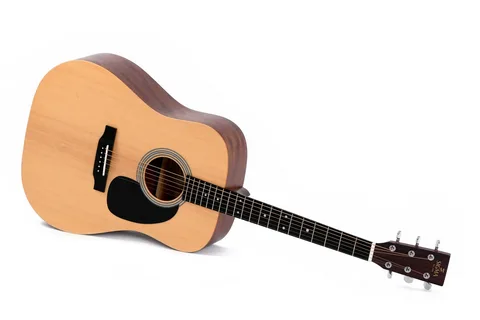
An acoustic guitar looks simple on the surface. Six strings, a hollow body, wood that smells faintly sweet when it is new. Yet anyone who has played one long enough knows that sound is shaped by dozens of small decisions, many of them made before a single note is played. Tone is not just talent or touch. It is a collection of choices that stack on top of each other, sometimes slowly, sometimes all at once, until the instrument starts to feel like it belongs to you.
This is not about chasing perfection or owning rare gear. It is about understanding the levers you already have and using them with intention. When those levers line up, the guitar responds differently. It feels alive in your hands, more cooperative, more expressive, more forgiving when your fingers are not.
Why the Guitar You Already Own Deserves Another Look
Many players assume their guitar has a fixed personality. Bright or warm. Loud or mellow. Good for strumming or better for fingerstyle. While body shape and wood species matter, they are only part of the picture. An acoustic guitar evolves as it is played, as humidity shifts, as strings are changed, as setup details drift slightly over time.
Often, frustration with tone comes from habit rather than limitation. Playing the same way, with the same setup, can flatten your perception of what the instrument can do. A small adjustment can unlock colors you did not realize were there. The goal is not to reinvent your sound overnight. It is to pay attention to how the guitar responds when something changes, even a little.
Strings Are Not a Footnote, They Are the Engine
The fastest and most dramatic tonal shift comes from changing acoustic guitar strings, yet many players treat strings like an afterthought. Gauge, material, and coating all shape how the guitar speaks. Light strings tend to feel forgiving under the fingers and can bring out sparkle, while heavier gauges often add depth and headroom, especially when strumming with confidence.
Material matters just as much. Phosphor bronze often emphasizes warmth and balance, while 80 20 bronze leans brighter and more immediate. Coated strings last longer and feel smoother, though some players hear a slight softening of attack. None of these choices are right or wrong. They simply point the sound in different directions.
If your guitar feels stiff, dull, or oddly constrained, strings are the first place to look. A single swap can make the instrument feel more responsive, as if it is suddenly paying attention again.
The Right Hand Does More Than You Think
Technique is not only about accuracy. It is about where and how energy enters the guitar. Picking closer to the bridge tightens the sound and emphasizes upper harmonics. Moving toward the soundhole adds roundness and weight. Fingernails, flesh, picks, or a blend of all three each create a distinct voice.
Strumming intensity also matters. Many players hit harder when they want more volume, but an acoustic guitar often rewards restraint. Letting the top vibrate freely can produce a fuller sound than forcing it. Dynamics live in the space between extremes, and that space is where personality shows up.
Paying attention to the right hand can change the guitar without touching the guitar at all. It is a reminder that tone lives as much in the player as in the instrument.
Setup Details That Shape Feel and Sound Together
Action height, saddle material, and nut slots rarely get attention unless something goes wrong. Yet these details quietly influence both comfort and tone. Action that is too high can choke playability and encourage tension. Action that is too low can rob the guitar of sustain and clarity.
A well cut saddle and nut allow strings to vibrate cleanly. Bone, synthetic materials, and other options each color the sound in subtle ways. These are not dramatic shifts, but they accumulate. When setup is dialed in, the guitar feels easier to play, which often leads to better tone simply because you relax.
A professional setup can feel like a reset button. Suddenly the guitar does what you expect it to do, without resistance.
Listening Is How Growth Actually Happens
At some point, the conversation stops being about hardware and starts being about awareness. Developing your musical potential is less about chasing upgrades and more about learning to listen, both to the guitar and to yourself. Notice how tone changes with mood, with posture, with time of day. Notice which sounds pull you in and which ones leave you cold.
Recording yourself can be revealing. What you hear from behind the guitar is not what the audience hears. That difference can guide smarter choices and faster growth. Listening back without judgment builds clarity, not insecurity.
Tone is not a destination. It is feedback. The more you listen, the more intentional your playing becomes.
Letting the Guitar Become a Partner, Not a Project
It is easy to fall into endless tweaking. New strings, new picks, new theories about wood and finish. None of that is harmful, but it can distract from the real work, which is building a relationship with the instrument. The best sounding acoustic guitars are often the ones that have been played, adjusted, and understood over time.
When a guitar feels familiar, you stop fighting it. Your hands trust it. Your ears trust it. That trust shows up in the sound. The instrument stops being an object and starts acting like a collaborator.