
In the manufacture of the vast majority of metal products, including sheet steel, hot and cold production technologies are used. Here, we will give answers to the question of how cold-rolled steel differs from hot-rolled steel. These answers will relate to their characteristics, advantages and disadvantages, scope, and other aspects.
Advantages of Hot Rolled Steel
You can talk about the advantages of a material when it has an alternative in the form of other products. By and large, cold-rolled steel and hot-rolled steel do not compete. Rather, their range is complementary. But the advantages of the hot-rolled sheet steel include:
· The widest range of products in thickness and sheet size;
· relatively low cost of rental;
· The possibility of applying a variety of methods of anti-corrosion treatment of products from it;
· The universality of the material, providing it with a wide scope of application;
· Durability.
Disadvantages of Hot-Rolled Steel
The disadvantages of hot-rolled steel include the absence in the general assortment of sheet products with a thickness of less than 0.4 mm. It is inferior in terms of corrosion resistance, as well as the strength of welds to cold-rolled steel. It shouldn’t be used in the manufacture of products with high demands on the quality of surfaces.
Advantages of Cold-Rolled Steel
Cold-rolled sheet metal is a higher-grade product compared to hot-rolled analogs. Its main advantages are:
· High manufacturing accuracy, which reduces waste material loss;
· increased strength and corrosion resistance;
· Excellent weldability, allowing the use of all welding methods with high quality-welds;
· The availability of any anti-corrosion treatment methods, including galvanizing;
· Plasticity, which makes the cold-rolled sheet steel a perfect material for the manufacture of stamped and finished things.
Disadvantages of Cold-Rolled Steel
The main disadvantage of cold-rolled steel is the thickness of the sheets limited to five millimeters. Besides, it is significantly more expensive than a similar assortment of hot-rolled steel. However, these discussions about the advantages and disadvantages of the two types of materials don’t provide a clear answer to the question of what is better than hot-rolled or cold-rolled steels. In fact, both categories of metal are equally good for their fields of application.
Where Cold-Rolled and Hot-Rolled Steel Are Used
The advantages of any product are fully manifested only when it is used for its intended purpose. Among the main areas of application of hot-rolled steel are:
· Constructions where all types of hot-rolled steel are the main structural material (including those with high bearing capacity);
· Manufacturing of various industrial products: freight cars, dump truck bodies, etc.;
· Hot-rolled steel is also used in the production of chromoly welded pipes, bent sections, and other products.
How Cold-Rolled Steel Differs Hot-Rolled Steel
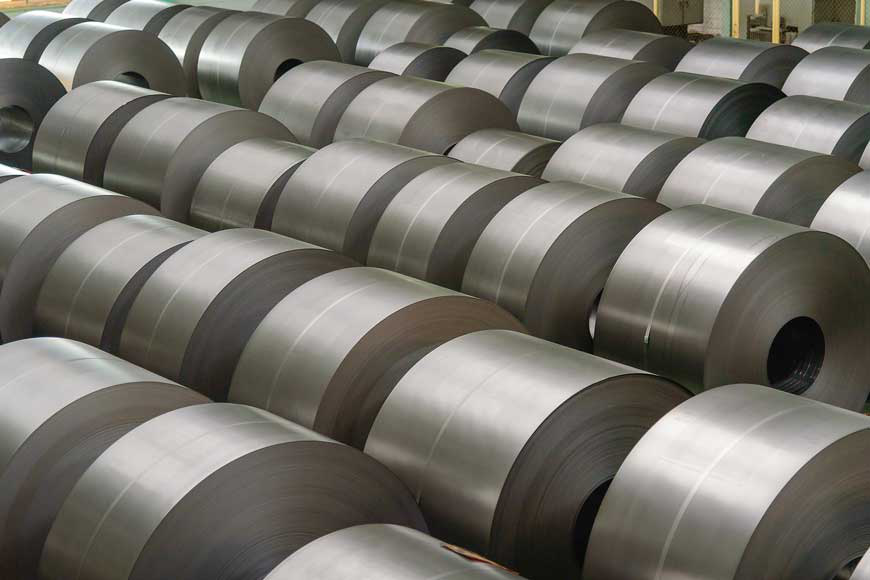
There are visual differences that can be easily determined without any kind of research. Hot-rolled steel looks presentable and sometimes has a stain from temperature loads. This can’t be said about cold-rolled steel. It is lighter and has very even angles and minimal errors in its thickness.
What Is Better: Hot Rolled or Cold Rolled Steel
It makes no sense to answer this question. Just use the metal for its intended purpose. With proper anti-corrosion treatment, hot-rolled and cold-rolled steel will last you equally long.