
If you’re searching for something that mixes fun with learning, robots dot to dot nattapong offers the perfect combination. It’s not your ordinary dot-to-dot puzzle it brings robot illustrations into the picture, turning a basic numbering game into an engaging educational tool. This kind of activity suits kids who love to draw, solve puzzles, or learn about machines, and even adults who enjoy mindful, creative tasks.
By completing a robot piece dot by dot, learners gradually build visual-spatial skills, number sense, and imagination. And the best part? It doesn’t feel like a lesson it feels like a fun and satisfying creative experience.
What Is Robots Dot to Dot Nattapong?
It is a style of dot-to-dot activity designed around robotic figures, allowing you to connect numbered points to form various robot characters or components. These aren’t random outlines—you’ll find robotic arms, wheels, antennae, control panels, and more, all structured into a fun drawing challenge.
The concept is often credited to creative educational projects or puzzle creators who want to blend artistic design with simple problem-solving. It’s especially helpful for early learners and children in the age group of 5 to 12 years. However, with more advanced puzzles, even teens and adults can benefit from the challenge and creativity involved.
These puzzles not only help develop basic math and counting skills but also improve patience, hand-eye coordination, and structured thinking. For tech-interested kids, it’s also an easy introduction to robotics through illustration.
How It Helps with Learning
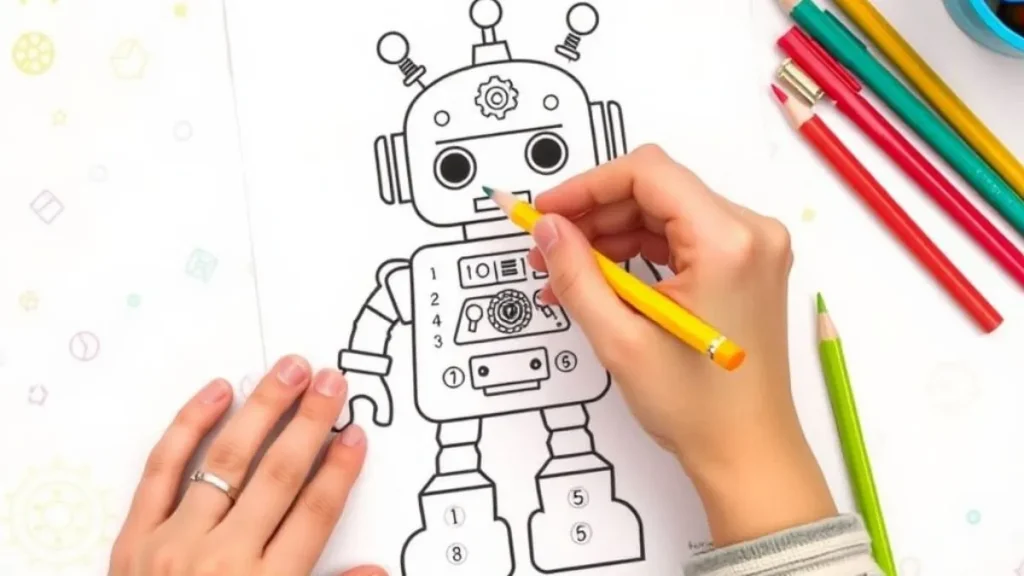
Dot-to-dot activities, while often underestimated, offer plenty of learning value. When children engage in these tasks, they’re practicing number recognition, sequencing, and direction-following. As they go from point to point, they slowly uncover a complete picture, reinforcing the reward of finishing what they started.
With robot-themed puzzles, the learning becomes more layered. Kids start to notice repeating patterns—gears, joints, arms, sensors—which helps them understand the parts of a robot without reading a textbook. This hands-on engagement keeps them curious and motivated to learn more.
In addition, these tasks are particularly useful for developing fine motor skills, which are essential for early writing and drawing abilities. The slow and thoughtful process of connecting dots helps build steady hand control, especially in younger learners.
Why Teachers and Parents Love It
In school settings, teachers appreciate tools that combine learning with calm focus. These puzzles are great for quiet time, independent work, or as part of art and STEM blocks. Students stay engaged without needing constant guidance, making them a practical addition to any classroom.
For homeschooling parents or those simply looking for screen-free entertainment, these puzzles provide hours of educational play. They’re easy to print and don’t require special materials. Children get to create something they’re proud of while developing useful academic skills along the way.
And because of their adaptability, teachers can use them for a variety of subjects. Want to introduce basic engineering? Use a robot dot puzzle. Need to strengthen number skills? Same puzzle. Looking for something that builds concentration without a lot of prep? It works for that too.
Blending Creativity with Robotics
One of the biggest benefits of robots dot to dot nattapong is how it encourages creative thinking alongside logic. After a child connects all the dots and the robot image is revealed, they’re often excited to color it, customize it, or even draw a background story for it.
Some might give their robot a name, others might add extra buttons or turn it into a superhero. These are moments of imagination and self-expression that keep kids emotionally connected to what they’re learning.
On a broader level, this activity helps break the idea that robotics is only for older students or tech experts. It shows that anyone—at any age—can start understanding mechanical ideas, even through something as simple as a drawing. That’s a strong start to future STEM learning.
Tools and Platforms to Get Started
Getting started with robot-themed dot-to-dot puzzles is easy. There are printed activity books available at most bookstores or online retailers. These often include multiple difficulty levels, so kids can start with simpler images and progress to more complex robot designs.
You’ll also find apps and websites that offer robots dot to dot nattapong content digitally. These platforms let kids complete puzzles using a finger or stylus, and in some cases, even animate the completed robot. It adds a fun, interactive twist that keeps children engaged.
For educators or creative parents, some websites offer tools to create your own puzzles. You can upload a robot design, and the platform will convert it into a dot-to-dot layout, which you can print or share digitally. This level of customization allows for tailored learning based on age, interest, or skill level.
What’s Next for Robots Dot to Dot Nattapong
While today’s activities are mostly on paper or screens, there’s great potential for this idea to grow. In the future, we could see versions that integrate with augmented reality. Imagine finishing your puzzle and pointing your phone at it, only to see your robot come alive on the screen.
There’s also growing interest in combining creative drawing with actual robotics kits. Kids could draw a robot, complete its structure, and then move on to building a simple version using basic components like motors and sensors. This transition from drawing to doing is what makes educational tools like this so promising.
As classrooms and homes shift more toward hands-on learning, activities like robots dot to dot nattapong are likely to become even more popular. They offer a clear path to learning through fun, which is exactly what education needs more of.
Conclusion
In a world where attention is hard to hold and meaningful learning is more important than ever, robots dot to dot nattapong delivers both fun and purpose. It’s simple, accessible, and adaptable, making it a smart choice for classrooms, homes, and even adult hobbyists.
You don’t need expensive tools or complex lessons. Just a pencil, a piece of paper, and a little bit of curiosity. Whether you’re helping a child build skills or just want a relaxing way to learn something new, this is one activity that offers far more than it seems at first glance.
Frequently Asked Questions
Q1. What age is best for robots dot to dot nattapong?
The activities can start as early as age five and go up to pre-teens and even adults, depending on the complexity.
Q2. Do you need to know robotics to enjoy this activity?
No background knowledge is needed. It’s designed to be beginner-friendly and enjoyable for all ages.
Q3. Can it be used in schools?
Absolutely. Teachers use it for math, art, and STEM-related lessons. It’s also great for group or solo activities.
Q4. Are there apps available for these puzzles?
Yes, many apps offer robot-themed dot-to-dot puzzles with digital drawing tools and some even offer interactive features.
Q5. Can I customize or create my own puzzle?
Yes. Several platforms let you upload a robot image and generate a custom dot-to-dot layout for printing or online use.